
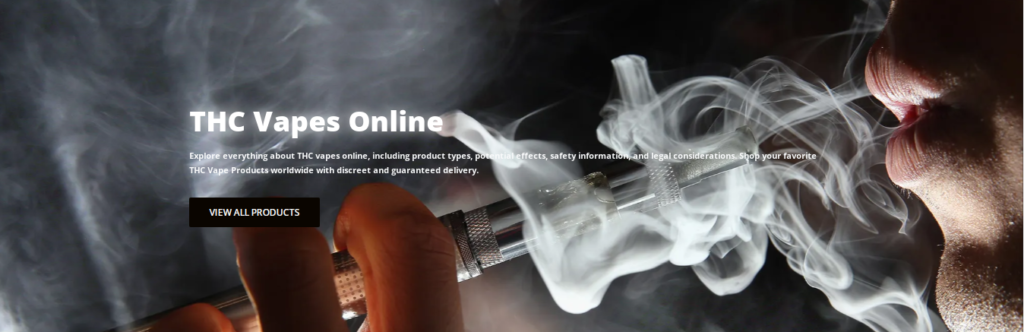
The landscape of cannabis consumption has undergone a massive evolution over the past decade. While traditional methods like burning raw flower dominated for generations, modern vaporizing thc vape technology—specifically THC vapes—has taken center stage for medical and recreational users seeking discretion, fast onset, and ease of use.
Understanding what THC vapes are, how they function, their health profiles, and how to select safe hardware is essential for making informed decisions in an increasingly sophisticated market.
What Is a THC Vape?
A THC vape is an electronic device designed to heat cannabis oil or ground dry herb to a temperature that converts active cannabinoids—primarily Delta-9 tetrahydrocannabinol (THC)—into an inhalable aerosol without combusting the physical material.
When cannabis flower is smoked, combustion occurs at high temperatures exceeding 600°C to 900°C, producing harmful tar, carbon monoxide, and respiratory irritants. In contrast, vaporizers operate at lower, controlled temperatures (typically 160°C to 230°C), vaporizing cannabinoids and aromatic terpenes while drastically reducing combustion byproducts.
Key Components of a THC Vape Device
Most oil-based vape pens consist of three core components:
- Battery: The power source that feeds electrical current to the heating element. These range from simple 510-thread rechargeable batteries to temperature-controlled mod units.
- Atomizer/Coil: The internal heating element (typically ceramic, quartz, or metal alloy) that absorbs the liquid oil and warms it to its precise vaporization point.
- Cartridge/Tank: The glass or plastic chamber containing the concentrated cannabis extract oil.
Types of THC Vape Devices and Extracts
Not all vaporizers function in the same way. Depending on the extraction method and hardware design, THC vapes fall into several distinct categories:
| Device Type | Extract Material | Average Potency | Main Benefit |
| 510-Thread Cartridges | Distillate, Live Resin, Rosin | 60% – 90% | Universal compatibility, high discretion |
| All-in-One Disposables | Pre-filled cannabis oil | 60% – 90% | Maximum convenience, no maintenance |
| Dry Herb Vaporizers | Ground whole cannabis flower | 15% – 30% | Natural plant profile, lower potency |
| Dab Pens / Wax Vapes | Rosin, Wax, Shatter, Budder | 70% – 95% | Intense potency, full control for experienced users |
Distillate vs. Live Resin & Rosin
- Distillate: Highly refined oil consisting almost exclusively of pure THC. It delivers high potency but lacks the natural plant terpenes lost during thermal refinement, which are often re-introduced post-processing.
- Live Resin: Produced from freshly harvested cannabis plants that are flash-frozen immediately to preserve the full spectrum of original cannabinoids and natural terpene profiles.
- Solventless Live Rosin: Extracted using only ice water, heat, and mechanical pressure without chemical solvents like butane or ethanol, offering a premium full-spectrum vapor experience.
Health Considerations, Benefits, and Safety
While vaporizing avoids the smoke and tar generated by burning plant matter, THC vapes present unique health considerations and safety nuances that consumers should understand.
Harm Reduction & Potential Benefits
- Reduced Airway Smoke Exposure: By avoiding combustion, vaporizers produce fewer toxic thermal degradation byproducts compared to traditional joint or pipe smoke.
- Rapid Onset & Dosing Control: Inhalation allows cannabinoids to pass through the lungs into the bloodstream rapidly, with peak effects occurring within minutes. This immediate feedback helps users gauge dosage much easier than with oral edibles.
- Discretion & Minimal Odor: Vapor aerosol produces far less lingering smell than burning flower, dispersing quickly in well-ventilated spaces.
Health Risks & High-Potency Concerns
- High Potency & Overconsumption: Concentrated oil cartridges regularly reach 80% to 90%+ THC concentrations. Fast intake of high-potency extracts can trigger acute anxiety, paranoia, dizziness, or elevated heart rate in sensitive or low-tolerance users. Long-term heavy use of ultra-potent concentrates has also been associated with Cannabis Hyperemesis Syndrome (CHS).
- Unregulated Additives: Illicit or black-market cartridges have historically caused severe lung injuries due to harmful cutting agents such as vitamin E acetate and synthetic additives.
- Hardware & Heavy Metal Leaching: Low-quality atomizers operated at excessive temperatures can overheat the oil or potentially leach heavy metals (such as lead or nickel) into the aerosol path.
How to Choose and Use a Safe THC Vape
To protect your respiratory health and ensure a quality experience, keep these practical guidelines in mind:
- Purchase Only from Licensed Dispensaries: Regulated legal dispensaries require strict third-party lab testing for heavy metals, residual solvents, pesticides, and microbials.
- Inspect the Certificate of Analysis (CoA): Scan product packaging QR codes to check third-party lab results verifying potency and confirming “PASS” status for all contaminant screenings.
- Opt for Ceramic Heating Elements: Choose cartridges built with high-grade ceramic heating chambers over cheap metal coils for cleaner, even heating.
- Use Lower Battery Voltages: Keep battery settings between 2.0V and 2.8V. Lower temperatures preserve delicate natural terpenes and prevent burning the concentrate.
- Start Low and Slow: Take a single short inhalation (1 to 2 seconds) and wait 10 to 15 minutes to evaluate tolerance before taking additional puffs.
Final Thoughts
THC vapes provide a modern, portable, and discreet alternative to traditional smoking methods. By purchasing lab-tested products from regulated sources and using high-grade ceramic hardware at moderate temperatures, consumers can maximize the benefits of vaporization while minimizing potential health risks.